
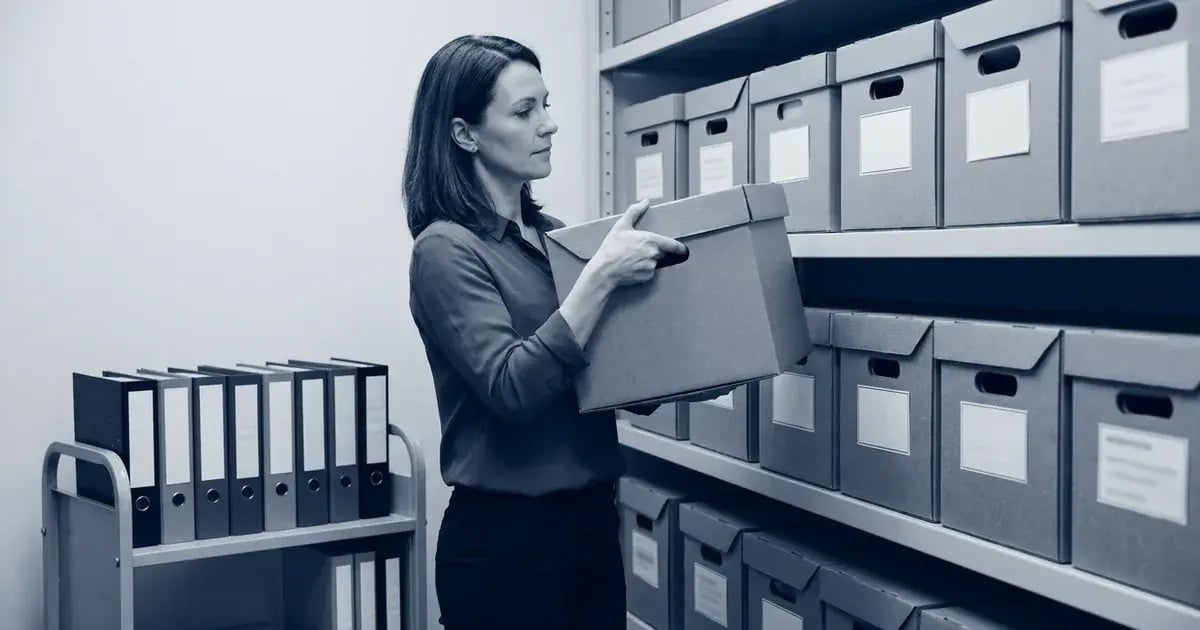
Before a buyer signs a contract to buy your company, the buyer reviews its records. That review is called due diligence. The records sit in a data room, and a buyer learns a good deal about you from how they are organized.
HarborWind Partners is a buyer, so this article takes the buyer's view. It follows our guide to the six types of buyers.
What is a data room?
A data room is an organized, access-controlled set of company records that a buyer reviews before the sale is final. It can be a set of online folders. The seller decides who can open each folder and when. The buyer uses the records to check what the seller has said about the company.
What goes in a data room?
A data room holds seven groups of records: financial statements and tax returns, customers and revenue, contracts, people and pay, legal and ownership records, operations and equipment, and anything regulated. Each group helps a buyer check that the company is what the seller describes.
- Financial statements and tax returns. The income statement shows a year's revenue and profit, and the balance sheet lists what the company owns and owes. The IRS says good records help you "support items reported on your tax returns", and a buyer lays the statements beside the returns.
- Customers and revenue. Sales by customer and by product or service. A buyer checks customer concentration, meaning how much revenue comes from a few customers.
- Contracts. Customer, supplier, lease, and loan agreements. A buyer reads for change-of-control clauses, which let the other party cancel or renegotiate when the company is sold.
- People and pay. An organization chart, pay by role, employment agreements, and benefit plans. A buyer checks that pay matches the chart.
- Legal and ownership records. Formation documents, a list of who owns what share, lawsuits, and insurance policies. A buyer checks the ownership list against the formation documents.
- Operations and equipment. Equipment lists, facility leases, key suppliers, and written procedures. A buyer looks for any equipment or supplier the company cannot run without.
- Anything regulated. Licenses, permits, inspection reports, and safety and environmental filings. The list changes by industry, and our article on what we look for in a chemical company's data room shows one industry's version.
What does an organized set of records tell a buyer?
Organized records show a buyer that the company tracks its own business. When the records match each other and your description, the buyer asks fewer questions. Gaps and mismatches have the opposite effect, because a buyer treats anything it cannot confirm as a risk.
A buyer first checks whether the numbers agree. Revenue in the financial statements should match revenue in the tax returns and the customer list, and a written reason for any difference saves a round of questions.
Then the buyer checks whether the company runs without you. Signed contracts, current records, and written procedures show that knowledge sits in the company. When the answers live only in the founder's head, the buyer must learn them through interviews.
When should you start building a data room?
Start while no sale is pending and no buyer is waiting. Records gathered under deal pressure are scattered, and every gap shows. Records kept current take little effort to share. Name one person to own the folders and note where each record lives.
Sort what you have into the seven groups and list what is missing. Then fix what can be fixed, such as an unsigned contract. The founder's guide to selling a manufacturing business has a financials section that applies to any company. Confirm with your own attorney and accountant what you must keep and what you may share.
How is access to a data room staged?
A seller opens records in steps and keeps the most sensitive for last. A confidentiality agreement and summary numbers go first. Contracts and full financials follow a signed letter of intent. Customer names, pricing, and employee pay open after the letter is signed and the buyer's financing is confirmed, because they could harm you if the sale falls through.
A letter of intent is the short document that sets out price and terms before the final contract. One way to stage access has three steps.
- Before a letter of intent. The buyer signs a confidentiality agreement, a contract promising to keep what it learns private, and you share summary numbers.
- After a signed letter of intent. You open full financials and contracts, with customer names masked as "Customer A."
- After a letter of intent is signed and the buyer's financing is confirmed. You open customer names, pricing, and employee-level pay.
Confirm whose money is behind the offer early. Our editorial on asking whose money it is explains why.
Staging matters most when the buyer competes with you, because a rival learns from your customer list and pricing. Staff of the Federal Trade Commission advise, "Mask customer identities and aggregate all competitive information." A clean team, a small group of outside advisers who see the sensitive records and share only summaries, is one safeguard. Our article on selling your business to a competitor covers that case.
What questions should you expect from a buyer?
Expect questions about anything that does not match, anything missing, and anything that depends on one person. Buyers ask where a number came from, who else knows how a process works, and what happens to the largest contracts when ownership changes.
Questions to expect
- Why does revenue in the financial statements differ from revenue in the tax returns?
- Which contracts let the other party cancel if ownership changes?
- Who besides you knows how the main processes work?
Where HarborWind fits
HarborWind is a buyer. We acquire, transform, and hold founder-led businesses, preserving legacies while compounding value. We line up equity and debt before we sign a letter of intent, and two principals make every decision.
Our range is $2M–$8M in EBITDA, a measure of annual operating profit. Our sectors are niche manufacturing, specialty chemicals, and industrial and essential B2B services. We are long-term holders with no fund timeline. A first conversation is confidential, unhurried, and without obligation.
Frequently asked questions
What is the difference between a data room and due diligence?
Due diligence is the buyer's review of your company's records. The data room is where those records sit during the review. Due diligence also includes interviews and site visits, which test what the records show. The buyer's attorneys, accountants, and lender read the data room.
Who builds a data room?
The company builds it, with its attorney and accountant and sometimes an M&A adviser, a professional who runs a sale for the seller. One person inside the company should own it, so every request from the buyer reaches a single place.
Does a buyer see everything on the first day?
No. A buyer sees summary numbers first, then full financials and contracts after a signed letter of intent, and customer names, pricing, and employee pay once that letter is signed and the buyer's financing is confirmed. Each step opens as the deal moves forward.
What if my records are incomplete?
Tell the buyer what is missing and why. An explained gap costs less trust than one they find on their own. Where you can, recreate the record first, for example by asking the other party for a copy of a lost contract.
Sources
- U.S. Internal Revenue Service, Recordkeeping
- Federal Trade Commission, Avoiding antitrust pitfalls during pre-merger negotiations and due diligence
Buy. Build. Compound.