

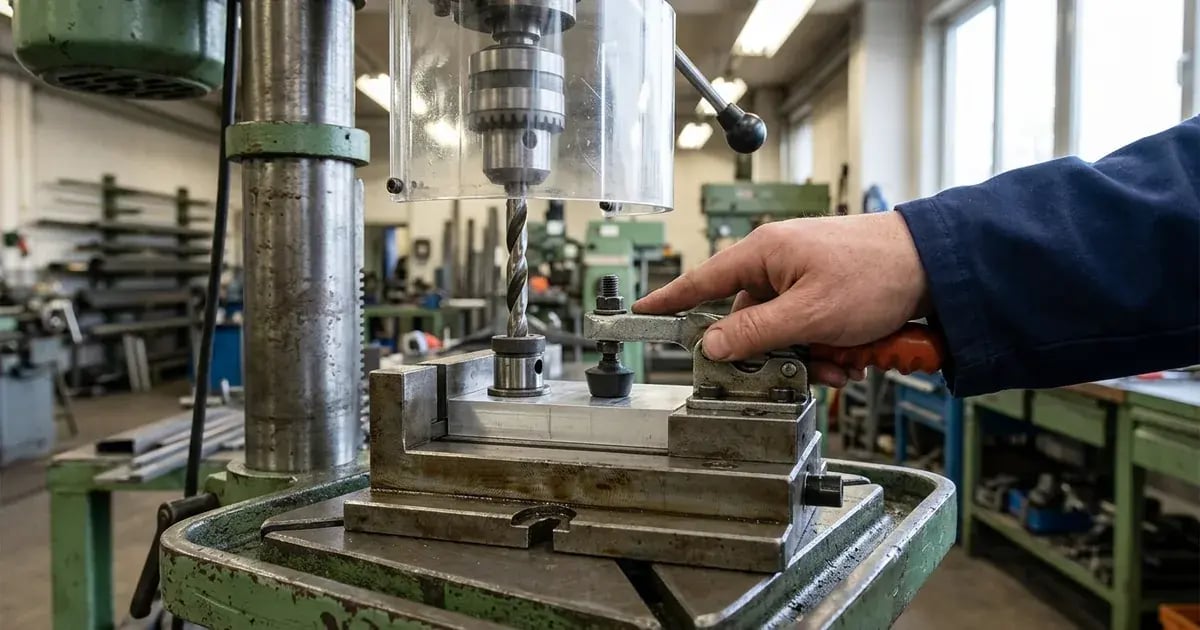
The fix is often small enough to miss. A veteran operator hears a spindle drift, changes the sequence by half a beat, and keeps the run clean. Nothing dramatic happens, which is the problem. The plant survives on a correction that never makes it into the setup sheet, the training file, or the next shift.
That is where shop-floor technology earns its keep. Not in the demo. In the handoff. The broad labor backdrop is already hard enough: the U.S. could face a shortfall of 1.9 million manufacturing workers by 2033, with 3.8 million openings and nearly half potentially unfilled. When experience gets harder to replace, systems that capture judgment stop looking optional.
The useful tools are usually plain ones. Better work instructions. Cleaner maintenance history. Machine signals that show trouble sooner. Retrofit automation around one stubborn bottleneck. For companies in niche manufacturing, the point is not to look more modern than the shop across town. The point is to make good work easier to repeat, easier to teach, and easier to explain when someone new inherits the floor.
What does technology on the shop floor actually mean in a smaller manufacturing business?
In a smaller manufacturing business, shop-floor technology means systems that reduce dependence on memory. It can be digital work instructions, machine data, searchable maintenance history, or retrofit automation around an existing constraint. The useful version is practical. It helps the next shift start with context instead of guesswork.
The useful definition is narrower than the pitch
Most founders are not trying to build a showroom. They are trying to keep a line from relearning the same lesson every week. That is why the best systems tend to look ordinary from the outside. A digital instruction set replaces the handwritten note that never made it into the binder. A maintenance log makes a repeat failure visible before it turns into folklore. A simple signal from a machine gives a supervisor something better than instinct to work from. In a workforce study, Poka found digital work instructions were described as the fastest-growing training content format, with 16% of respondents planning to use them in the next 12 months. That statistic is modest, which makes it believable. Plants are not buying abstractions. They are buying cleaner repetition.
Why is labor scarcity making these systems more important now?
Labor scarcity raises the value of preserved judgment. When openings outnumber ready replacements, every undocumented setup, repair trick, and quality call becomes more expensive. Technology matters most when it turns hard-won experience into process memory that can be taught, tested, and reused without pretending skilled people no longer matter.
The shortage is experience that travels badly
The Manufacturing Institute estimates 3.8 million manufacturing openings by 2033, with nearly half potentially unfilled, which is not just a labor statistic. It is a warning about continuity. The missing piece in many plants is not effort. It is transferability. The operator who knows which material lot cuts warm, which fixture needs a second look, and which machine starts drifting before lunch may never write that down unless the system makes it easy. That is where HarborWind's technology view stays grounded. AI does not replace that knowledge. It captures it, tests it, and makes it easier to extend so people can spend more time on the creative work that still depends on judgment. The floor rarely needs more software. It needs fewer moments when the answer leaves at the end of the shift.
Good shop-floor technology is operating memory with a return attached to it.
Which technologies solve real operating problems instead of adding software overhead?
The technologies that solve real operating problems are usually tied to one visible source of friction: slow training, repeated setup errors, awkward manual handling, or too much time lost around an aging asset. Digital work instructions, retrofit automation, and targeted machine visibility often clear that bar. Bloated systems usually do not.
Named cases tell the story better than trend language
The best proof in this category still comes from specific plants. FANUC case studies are useful for that reason. At Sydor Optics, daily output increased by about 40%, with better consistency and less rework. At Great Lakes Stainless, production time fell by 95%, from three hours to 15 minutes. At Pentaflex, an automation upgrade reduced reliance on labor, increased output, and improved quality consistency. Those are not arguments for buying everything. They are reminders that the strongest technology case usually begins with one ugly bottleneck and a fix the floor can feel quickly.
Where do shop-floor technology rollouts usually break down?
Shop-floor technology rollouts usually break down when leaders buy a category before naming the plant problem. They also stall when the system creates clerical work but does not improve today's run. The floor adopts tools that save time, reduce confusion, or catch failure sooner. It ignores tools that mainly help presentations upstairs.
The floor can tell when software was bought for a meeting
This part is less about sourcing and more about operating honesty. Plants are practical places. A tool earns trust when it shortens training, clarifies a setup, or makes maintenance history usable at the exact moment someone needs it. It loses trust when operators are asked to feed a system that gives them nothing back. That is why HarborWind tends to connect this topic to articles like When the Best Machinist Is a Balance-Sheet Liability. The core issue is not software selection. It is whether the business is turning fragile know-how into repeatable process. Once that starts happening, additional technology has something solid to stand on. Before that, the rollout is often just another task layered onto an already busy floor.
What does this mean before a sale?
Before a sale, plant-floor technology matters less as a sophistication badge and more as evidence that the business can explain itself. The question is simple: does good performance belong to the company, or is it still trapped in a few experienced people? Better systems make that answer easier to trust.
Transferability is the quiet story inside the technology story
Founders rarely need a futuristic pitch. They need an intelligible one. Can the next leader see how jobs are run, how maintenance gets handled, and where process knowledge actually lives? That is why this topic sits close to why HarborWind buys founder-led industrial businesses and to HarborWind's investment criteria. Both sides of the table care about transferability, even if they phrase it differently. On the operating side, documented know-how makes the plant easier to run. On the investment side, it makes the business easier to understand. Neither point diminishes the people who built the company. It does the opposite. It shows their judgment has been turned into something durable enough to survive a handoff and strong enough to keep compounding afterward.
Sources
- The Manufacturing Institute, The State of the Manufacturing Workforce in 2025
- Poka, Navigating Workforce Challenges Whitepaper
- FANUC America, Cobot Beveling and FANUC Machining Centers Boost Quality and Productivity for Optics Manufacturer
- FANUC America, Great Lakes Stainless Serra Laser Case Study
- FANUC America, JR Automation Pentaflex Case Study
Frequently Asked Questions
What is shop-floor technology in manufacturing?
Shop-floor technology is the set of systems that helps a plant run with less guesswork. It can include digital work instructions, machine data, maintenance history, and retrofit automation. In a smaller manufacturer, its value is judged by whether it reduces downtime, confusion, rework, or dependence on one person's memory.
Why are digital work instructions getting more attention?
Digital work instructions matter because they make experience easier to pass along. Poka's workforce whitepaper says they are the fastest-growing training content format, with 16% of respondents planning to use them in the next 12 months. That reflects a simple need: teach people faster, with fewer missed steps and less tribal knowledge loss.
Does AI replace skilled operators on the shop floor?
No. The better frame is knowledge capture and human enablement. AI is useful when it helps preserve experienced judgment, test it against real conditions, and make it easier for the next operator or supervisor to use. It serves people by reducing repetitive tasks and protecting know-how that would otherwise disappear.
What kind of automation actually helps a smaller manufacturer?
The most useful automation usually fixes one clear constraint around an existing process. FANUC case studies point to examples such as faster production, better quality consistency, and less reliance on manual labor. The pattern is practical: start with a bottleneck the floor already feels, then add technology that makes that pain smaller.
Why does this matter to a buyer?
It matters because transferability matters. A buyer wants to know whether the business can explain how it produces good output, trains people, and maintains equipment. When process knowledge is documented and usable, performance looks more durable. When it lives mostly in a few heads, the company is harder to understand and harder to transition cleanly.
How should a founder prioritize shop-floor technology investments?
Start with the area where the plant already loses time or knowledge. Often this means work instructions, maintenance history, or one manual bottleneck around existing equipment. Build systems that capture know-how first, then add broader automation only after those basics hold. The order matters more than the shopping list.
Buy. Build. Compound.
Related reading from HarborWind Insights
-
When your best machinist retires, what leaves with him
Tribal knowledge and what it's worth to a buyer.
-
Why your best machinist is a balance-sheet liability
Key-person risk and the discount it creates.
-
When the senior chemist retires (chemicals sector)
Same institutional-knowledge problem, different sector.
-
When field-tech knowledge lives in one head
How services businesses solve the same problem.
-
The state of niche manufacturing M&A
Current multiples, buyer types, and value drivers.